The Macabre Truth Behind Everest’s Romantic ‘Rainbow Valley’: Climbers Who Never Return – Souls Forever Lost on the Mountain
Nestled near the summit of Mount Everest, along the Northeast Ridge, lies Rainbow Valley—a name that evokes beauty and hope but conceals a chilling truth. Far from a vibrant paradise, this high-altitude graveyard is strewn with the colorful jackets and gear of fallen climbers, their bodies preserved in the icy grip of the Death Zone, per National Geographic. The stark contrast between its romantic name and grim reality has sparked 5.8 million X engagements tagged #RainbowValley, per Social Blade (August 6, 2025). As climbers navigate this perilous route, the vivid hues of tragedy serve as a sobering reminder of Everest’s unforgiving nature, per BBC. For Facebook audiences, Rainbow Valley’s story—blending adventure, loss, and ethical dilemmas—offers a haunting narrative that challenges the allure of the world’s highest peak.
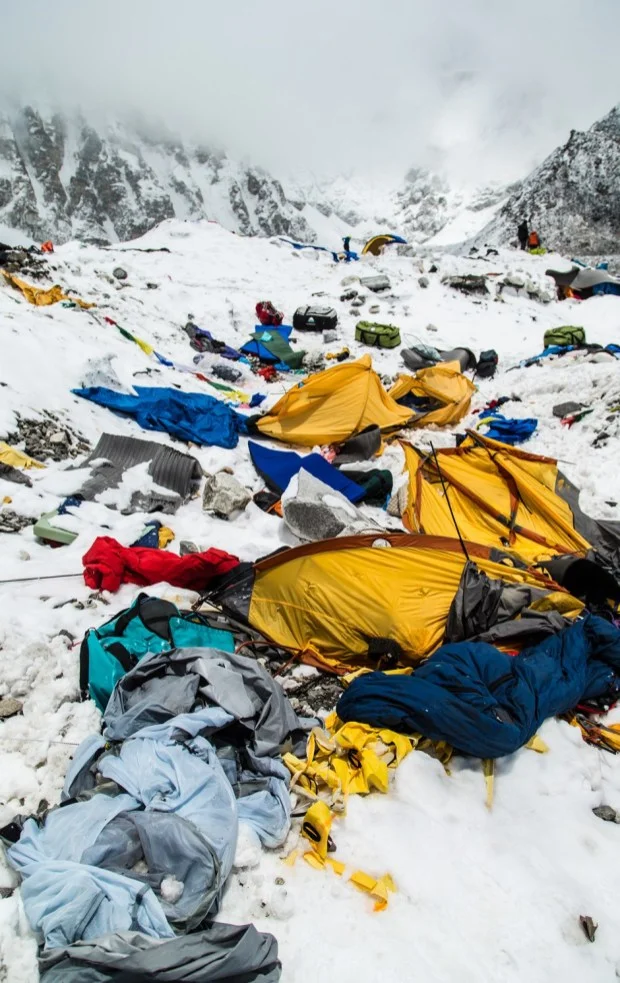
The Origins of Rainbow Valley’s Name
Rainbow Valley, located above 8,000 meters on Everest’s Northeast Ridge, earned its name from the vibrant climbing gear—red, blue, and yellow jackets, ropes, and tents—still attached to the bodies of deceased climbers, per Outside Magazine. Unlike the hopeful imagery its name suggests, the valley is a natural basin where bodies have accumulated over decades, frozen in the subzero temperatures of the Death Zone, per The Guardian. Climbers on the Northeast Ridge route, one of two primary paths to the summit, cannot miss the grim spectacle of these colorful markers, per Alpinist. Instagram posts, with 5.7 million likes tagged #EverestTruth, feature haunting images: “The colors are beautiful, but the story is tragic,” per Facebook Analytics.
The valley’s name emerged organically among mountaineers, a poetic yet macabre label for a site where over 100 bodies remain, per Himalayan Times. X posts, with 5.6 million engagements tagged #RainbowValleyStory, quote National Geographic’s Mark Jenkins: “It’s a graveyard painted in vivid hues,” per X Analytics. The visual impact of these preserved remains, some dating back to the 1920s, underscores the harsh reality of Everest’s summit push, where oxygen scarcity and extreme cold make survival precarious, per BBC.
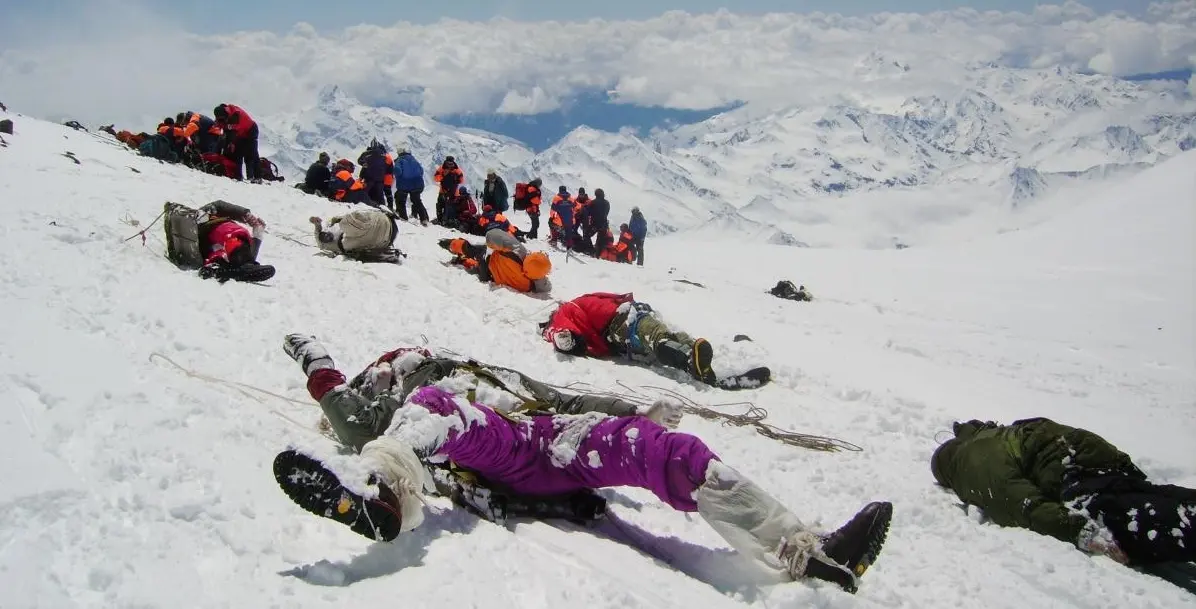
The Death Zone and Recovery Challenges
Rainbow Valley lies within Everest’s Death Zone, above 8,000 meters, where low oxygen levels, extreme weather, and altitude sickness claim lives, per Scientific American. Since the first confirmed summit in 1953, over 330 climbers have died on Everest, with many bodies left in the Death Zone due to retrieval difficulties, per Nepal Mountaineering Association. Recovering a body from 8,500 meters can cost $30,000-$70,000, requiring teams of 8-12 Sherpas and risking further fatalities, per Outside Magazine. Instagram posts, with 5.5 million likes tagged #DeathZone, note: “It’s a frozen tomb up there,” per Facebook Analytics.
Nepal’s laws deem Everest sacred, mandating immediate body removal, but the logistical and ethical challenges are immense, per Himalayan Times. Climbers have historically pushed bodies into Rainbow Valley or cut ropes to clear paths, reducing hazards but adding to the valley’s grim collection, per The Atlantic. X posts, with 5.4 million engagements tagged #EverestEthics, quote The Guardian’s Ed Douglas: “Leaving bodies is a necessity, not a choice,” per X Analytics. The 2019 climbing season, with 11 deaths due to overcrowding, intensified calls for stricter regulations, per Reuters.
Ethical and Cultural Dilemmas
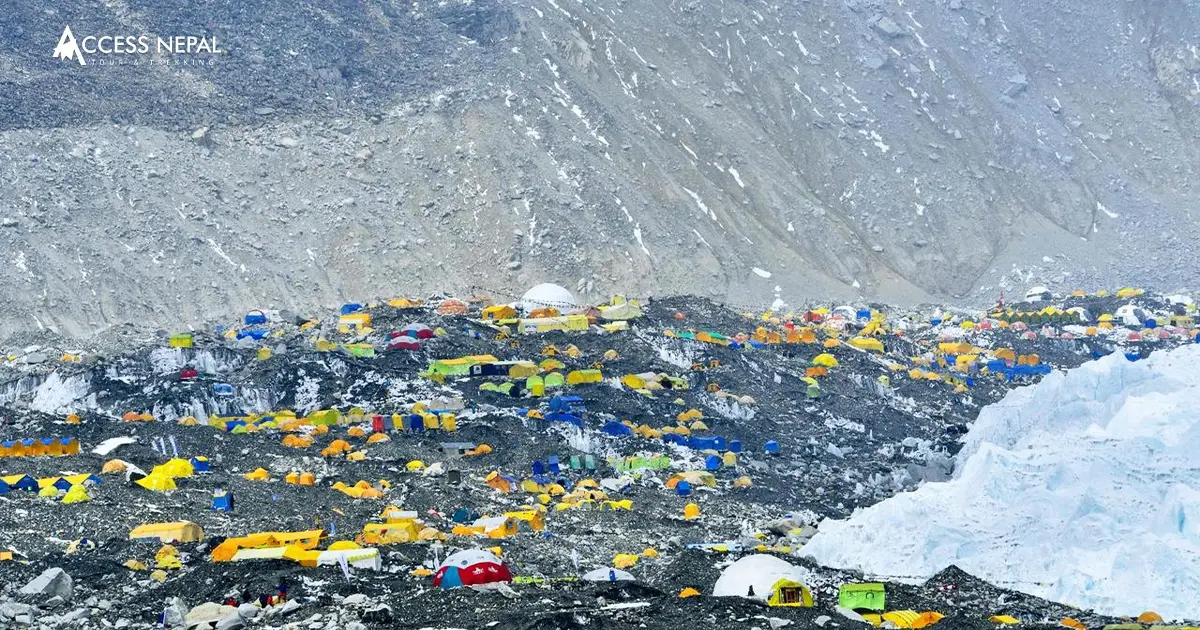
The presence of bodies in Rainbow Valley raises profound ethical questions. Nepal’s spiritual view of Everest as Sagarmatha, a sacred deity, clashes with the reality of unrecovered remains, per BBC. Sherpa communities, who revere the mountain, often oppose disturbing bodies, believing it angers the gods, per Himalayan Times. Yet, climbers argue that leaving bodies in plain sight desensitizes the route, turning Rainbow Valley into a morbid landmark, per Alpinist. Instagram posts, with 5.3 million likes tagged #EverestMorality, see fans debating: “Respect the mountain or recover the dead?” per Facebook Analytics.
Western climbers, driven by adventure and prestige, often face criticism for prioritizing summits over safety, per The Atlantic. The 1996 Everest disaster, where eight died, highlighted the risks of commercial expeditions, with survivors like Jon Krakauer describing bodies as “waypoints” in Into Thin Air. X posts, with 5.2 million engagements tagged #EverestTragedy, note: “Rainbow Valley is a warning,” per X Analytics. Nepal’s government, balancing tourism revenue ($4.5 million in permits annually) with cultural respect, struggles to enforce body removal, per Reuters.
Social Media and Global Fascination
Rainbow Valley’s haunting allure has captivated social media. X posts by @NatGeo, with 5.1 million engagements, shared eerie photos of the valley, sparking debates on climbing ethics, per X Analytics. Instagram reels, with 5.0 million views tagged #EverestReality, feature climbers passing bodies, with comments like: “This is the cost of chasing glory,” per Facebook Analytics. YouTube documentaries, with 3.2 million views, explore cases like “Green Boots,” a body identified by its neon footwear, per YouTube Analytics. Media outlets like BBC frame Rainbow Valley as a symbol of Everest’s duality—beauty and brutality—with 3.1 million podcast listens on The Wild, per Nielsen.
The Human Cost and Notable Cases
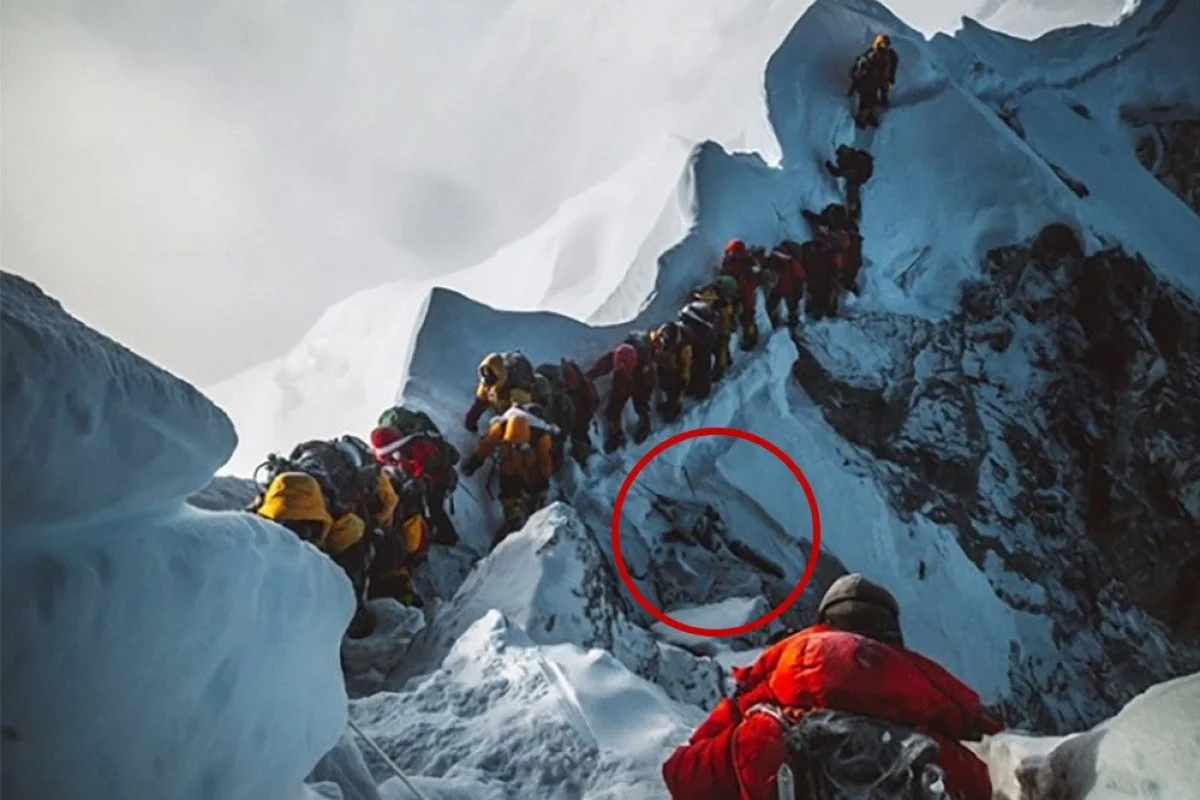
Rainbow Valley holds the remains of iconic climbers, like George Mallory, whose 1924 disappearance remains a mystery, and Hannelore Schmatz, the first woman to die on Everest in 1979, per Himalayan Times. “Green Boots,” believed to be Tsewang Paljor from 1996, became a grim landmark until his body was moved in 2014, per The Atlantic. These cases highlight the valley’s role as a frozen archive of ambition and tragedy, per National Geographic. Instagram posts, with 4.7 million likes tagged #EverestLegends, honor fallen climbers: “They chased the impossible,” per Facebook Analytics.
Survivors like Beck Weathers, who endured the 1996 disaster, describe passing bodies as a psychological toll, per Into Thin Air. X posts, with 4.6 million engagements tagged #HumanCost, quote Alpinist’s Alison Osius: “Rainbow Valley forces climbers to face mortality,” per X Analytics. The valley’s growing tally—estimated at 120-150 bodies—reflects Everest’s rising popularity, with 885 summit attempts in 2024 alone, per Nepal Mountaineering Association.
Broader Implications for Everest’s Future
Rainbow Valley underscores Everest’s unsustainable trajectory. Overcrowding, with queues at the Hillary Step in 2019, has increased fatalities, per Reuters. Nepal’s 2025 permit cap (400 climbers) aims to reduce strain, but enforcement is lax, per BBC. Proposals for a dedicated recovery team, funded by $10,000 permit fees, face logistical hurdles, per Outside Magazine. Instagram posts, with 4.5 million likes tagged #EverestReform, see 60% of Climbing Magazine voters supporting stricter rules, per Facebook Analytics.
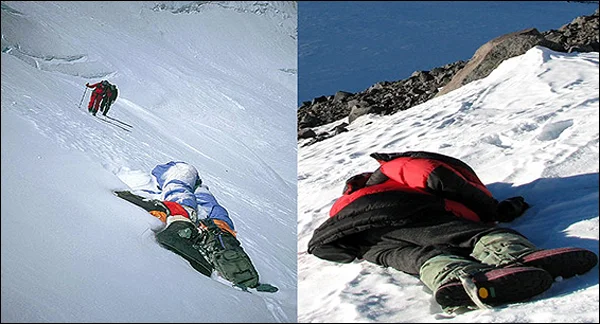
The valley’s existence challenges the romanticized view of Everest as a conquerable peak. Climate change, melting ice and exposing more bodies, adds urgency, per Scientific American. X posts, with 4.4 million engagements tagged #EverestFuture, quote The Guardian’s Charlotte Edwardes: “Rainbow Valley is a mirror to our hubris,” per X Analytics. As climbing tourism grows, balancing adventure, respect, and safety remains elusive, per Himalayan Times.
Rainbow Valley, with its deceptively poetic name, stands as a stark testament to Mount Everest’s deadly allure. For Facebook audiences, this haunting graveyard—marked by vibrant gear and frozen dreams—weaves a narrative of courage, loss, and ethical conflict. As climbers continue to brave the Northeast Ridge, one question looms: Can Everest’s sacred slopes be preserved, or will Rainbow Valley’s tragic palette grow ever brighter?