Kiwi — the flightless bird the size of a newborn baby
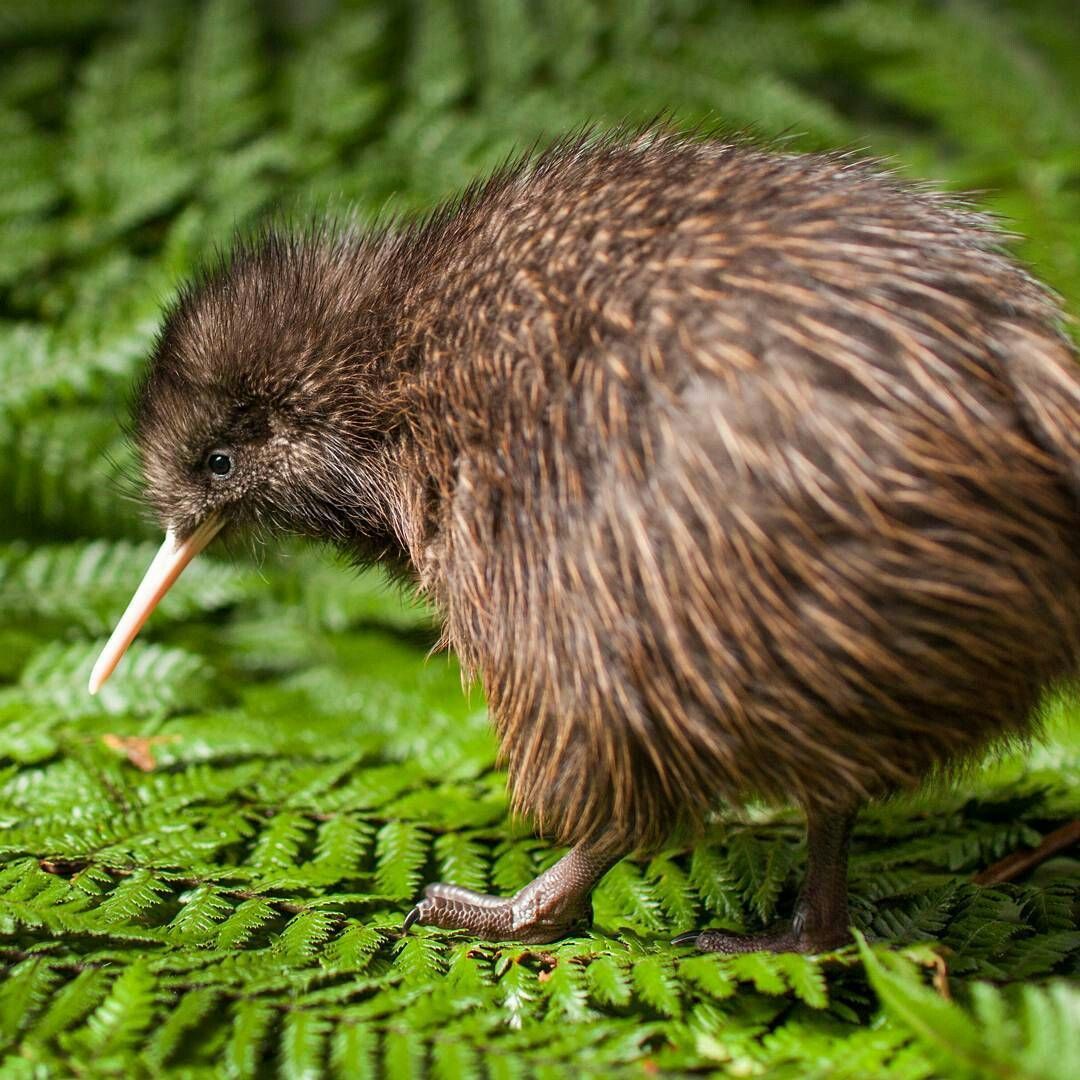
The Kiwi (genus Apteryx) is New Zealand’s most iconic bird, and one of the strangest on Earth. Despite being a bird, it cannot fly, has hair-like feathers, tiny hidden wings, and nostrils at the tip of its long beak. But perhaps the most surprising fact is its size: most species of kiwi weigh around 2–3 kilograms, roughly the same as a newborn human baby.
Kiwis are nocturnal foragers, using their long bills to probe the soil for worms, insects, and roots. They also have an extraordinary sense of smell, rare among birds, which helps them find food in the dark forest floor.
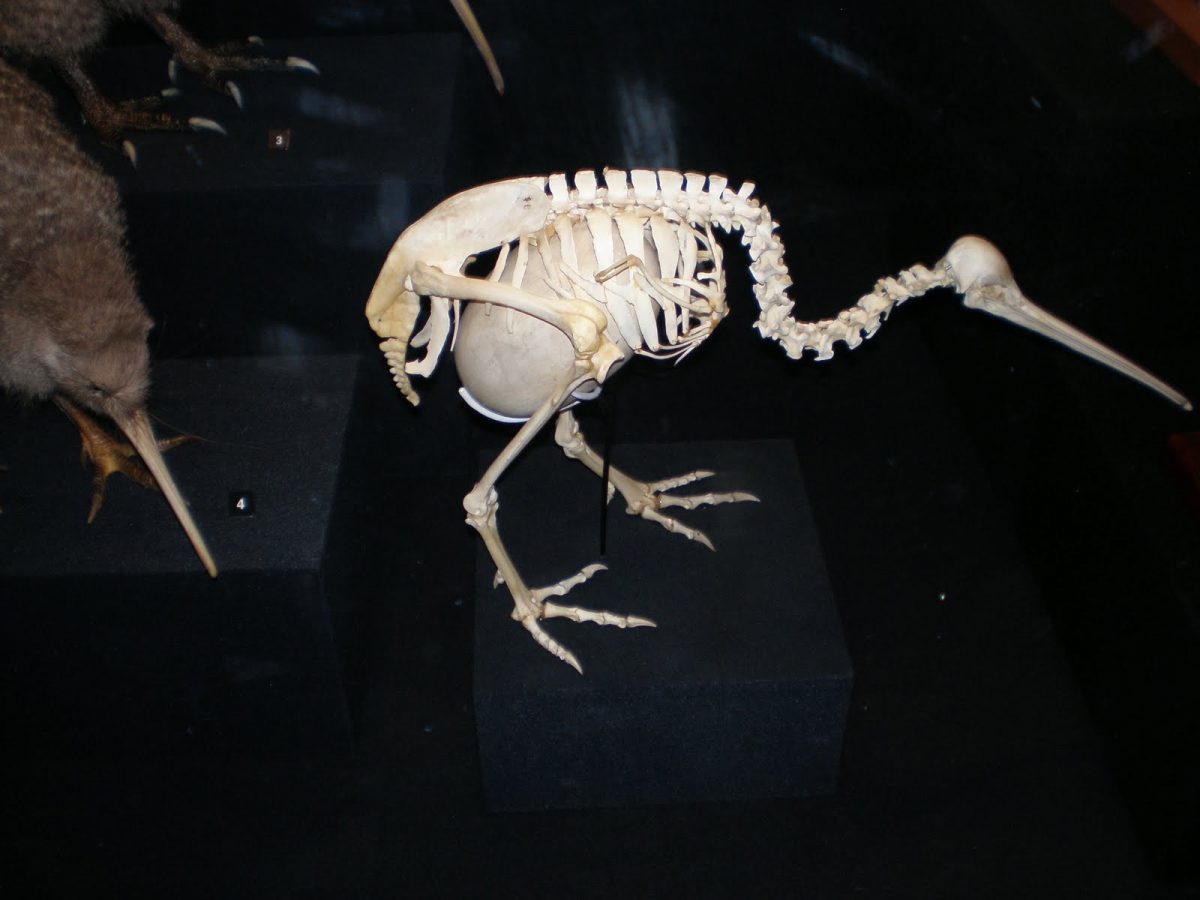
Even more remarkable, the kiwi lays one of the largest eggs relative to body size of any bird — up to 20% of the female’s weight. The chick hatches fully feathered and independent, needing no feeding from its parents.
The Kiwi’s Incredible Egg: Nature’s Most Extreme Pregnancy
Discover the astonishing story of the kiwi bird, whose egg is one of the largest in proportion to its body size — nature’s most extreme pregnancy.
Sadly, kiwis are threatened by introduced predators such as stoats, cats, and dogs. Intensive conservation efforts, including predator control and chick-rearing programs, are helping populations recover. For New Zealanders, the kiwi is more than a bird — it is a national symbol of resilience and uniqueness.
In the lush forests and quiet valleys of New Zealand lives one of the most unusual creatures the bird kingdom has ever produced: the kiwi. This shy, nocturnal bird seems to have broken nearly every “rule” of what a bird should be. It cannot fly, its feathers look more like soft fur, and instead of having its nostrils high on its beak like most birds, it keeps them right at the tip—perfect for sniffing out insects and worms hidden in the soil. Its long, slender beak and sharp sense of smell make it a master forager in the dark.

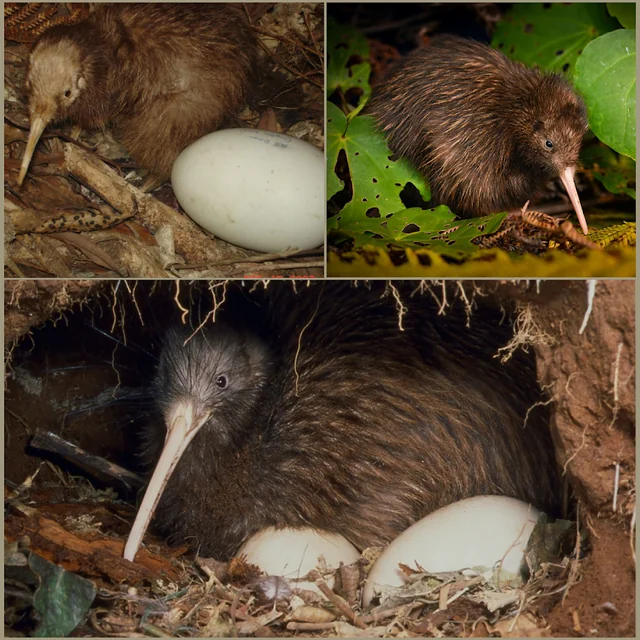
The kiwi’s lifestyle is equally peculiar. By day, it hides in burrows or dense undergrowth; by night, it quietly wanders the forest floor, searching for food. It is fiercely territorial, loyal to its home range, and often mates for life—a rare trait in the animal world. These qualities have made it both a mystery and a marvel to scientists and nature lovers alike.
But perhaps the most astonishing thing about the kiwi is its egg. Despite its small body, a female kiwi can lay an egg that weighs up to 20% of her total body mass—the largest egg-to-body ratio of any bird on Earth. For comparison, if a human weighing 59 kg were to do the same, it would be like giving birth to a 12 kg baby in a single go. This remarkable feat pushes the limits of biology, leaving even seasoned biologists in awe. The huge egg is packed with nutrients, giving the chick a strong start in life. In fact, kiwi chicks hatch fully feathered and almost ready to live independently.


Beyond its quirky biology, the kiwi has become a symbol of national pride. In New Zealand, the word “Kiwi” doesn’t just mean the bird—it’s a name New Zealanders proudly use for themselves. To them, the kiwi represents resilience, uniqueness, and a deep connection to the land. The bird is so treasured that conservation programs work tirelessly to protect it from predators and habitat loss.
Small in size but enormous in character, the kiwi proves that being different is not a weakness—it’s a superpower. And in the quiet hours of a New Zealand night, while the rest of the world sleeps, this humble bird continues its silent watch, carrying the spirit of a nation in every step.